Pathways from Free Trials to Paid Play in Digital Slot Systems
Felix Vogel · Aug 19, 2026

Pathways from Free Trials to Paid Play in Digital Slot Systems
Slot-based casino ecosystems rely on demo versions to introduce players to game mechanics, and those versions often serve as entry points that lead into real-money transitions when operators design seamless funding options and promotional structures. Observers note that demo play allows users to test volatility, bonus rounds, and payout patterns without financial commitment, while data from platform analytics shows conversion rates rising when interfaces include one-tap deposit prompts after several free spins.
Mechanics of Demo Integration
Demo slots operate through the same random number generators that govern paid versions, which means players encounter identical reel layouts and feature triggers during practice sessions. This consistency helps build familiarity, and researchers have found that repeated exposure to specific titles increases the likelihood of subsequent deposits once users feel confident with the controls. In many systems, progress from demos carries over through session tracking, allowing operators to tailor bonus offers based on demonstrated play patterns rather than random promotions.
Payment gateways sit at the core of these transitions, and integration with demo dashboards often places funding buttons directly alongside spin controls. Those who've studied user flows report that frictionless options like stored cards or digital wallets reduce drop-off rates during the shift from free to paid modes. August 2026 saw multiple platforms update their interfaces to embed these options more prominently, reflecting ongoing refinements in how ecosystems guide users across the boundary between trial and stake.
Conversion Patterns Across Platforms
Industry reports indicate that players who engage with demos for at least fifteen minutes show higher completion rates for first deposits compared with those who skip the practice phase entirely. What's interesting is how bonus structures amplify this effect, since many operators link demo completion to eligibility for matched deposits or free spin bundles that require an initial real-money action. Take one analysis from a major European operator network that revealed demo users converted at roughly double the rate of cold traffic arriving directly on paid pages.
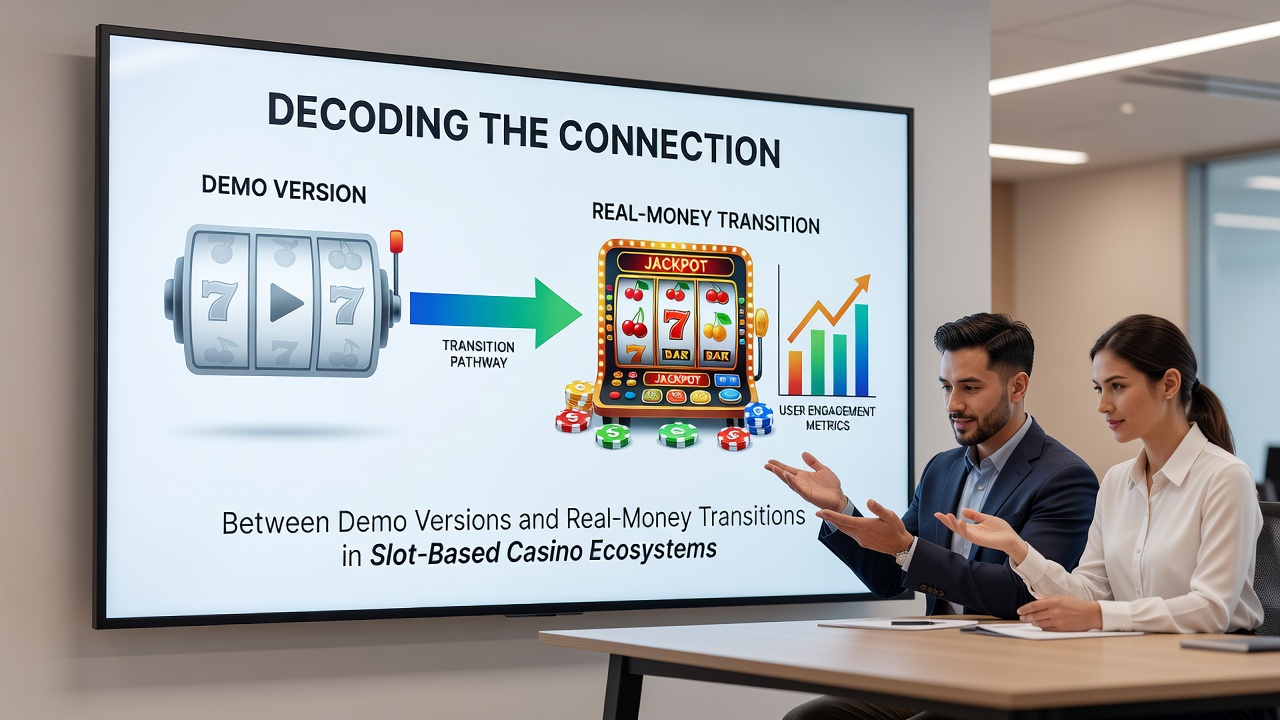
Progressive jackpot systems add another layer, because demo versions frequently display the growing prize pools to create anticipation. Data shows that visibility of accumulating jackpots during free play correlates with quicker transitions once users decide to chase the same prizes with actual stakes. Yet conversion does not occur uniformly, as regional payment preferences and local regulatory caps influence how quickly operators can surface deposit prompts without violating advertising rules.
Regulatory Frameworks and Player Safeguards
Authorities in various jurisdictions require clear separation between demo and paid environments, often mandating visible disclaimers that practice play carries no monetary value. The Nevada Gaming Control Board has published guidelines that emphasize transparent transition points, and similar standards appear in reports from the Australian Communications and Media Authority. These frameworks aim to prevent confusion while still permitting operators to highlight pathways toward real-money engagement.
Academic studies from institutions such as the University of Nevada's gaming research center have examined how demo exposure affects risk perception, and findings suggest that players who complete extended demo sessions develop more accurate expectations about volatility before committing funds. Such research supports the design of ecosystems that use practice modes as educational tools rather than pure marketing hooks.
Future Developments in Transition Design
Platform developers continue to refine algorithms that predict optimal moments for suggesting a shift to paid play, drawing on session length, feature unlocks, and engagement metrics. In August 2026 several major networks introduced adaptive prompts that appear only after users trigger specific bonus features in demo mode, and early metrics indicate these timed interventions improve retention without increasing complaint volumes.
Third-party certification labs now test both demo and paid versions side by side to verify that payout percentages and feature frequencies remain identical, which builds trust during the transition process. Observers note that this technical parity removes one common barrier that previously caused players to hesitate when moving from free trials to real stakes.
Conclusion
The connection between demo versions and real-money transitions rests on consistent mechanics, strategic placement of funding tools, and regulatory compliance that keeps both modes distinct yet accessible. Data from multiple regions shows that well-integrated demo experiences can accelerate player movement into paid environments when operators align game familiarity with convenient deposit paths adn clear bonus eligibility rules. As platforms evolve, the emphasis remains on maintaining transparency so users understand exactly when they cross from practice into financial participation.