Decoding Sequence Patterns in Cluster-Pay RNG Systems to Bridge Free Trials and Bonus Jackpot Modes on Mobile Platforms
Petra Flores · Aug 21, 2026
Decoding Sequence Patterns in Cluster-Pay RNG Systems to Bridge Free Trials and Bonus Jackpot Modes on Mobile Platforms
Cluster-pay mechanics rely on adjacent symbol groupings rather than fixed paylines, and random number generators determine every outcome through independent cycles that reset after each spin or cascade. Observers note that portable platforms introduce additional variables such as touch latency and variable frame rates, yet core RNG logic remains consistent across devices. Data from the Nevada Gaming Control Board shows that certified RNG modules undergo continuous statistical testing to maintain fairness thresholds, and these same modules underpin both demo modes and real-money sessions.
Understanding RNG Cycle Mapping in Cluster Structures
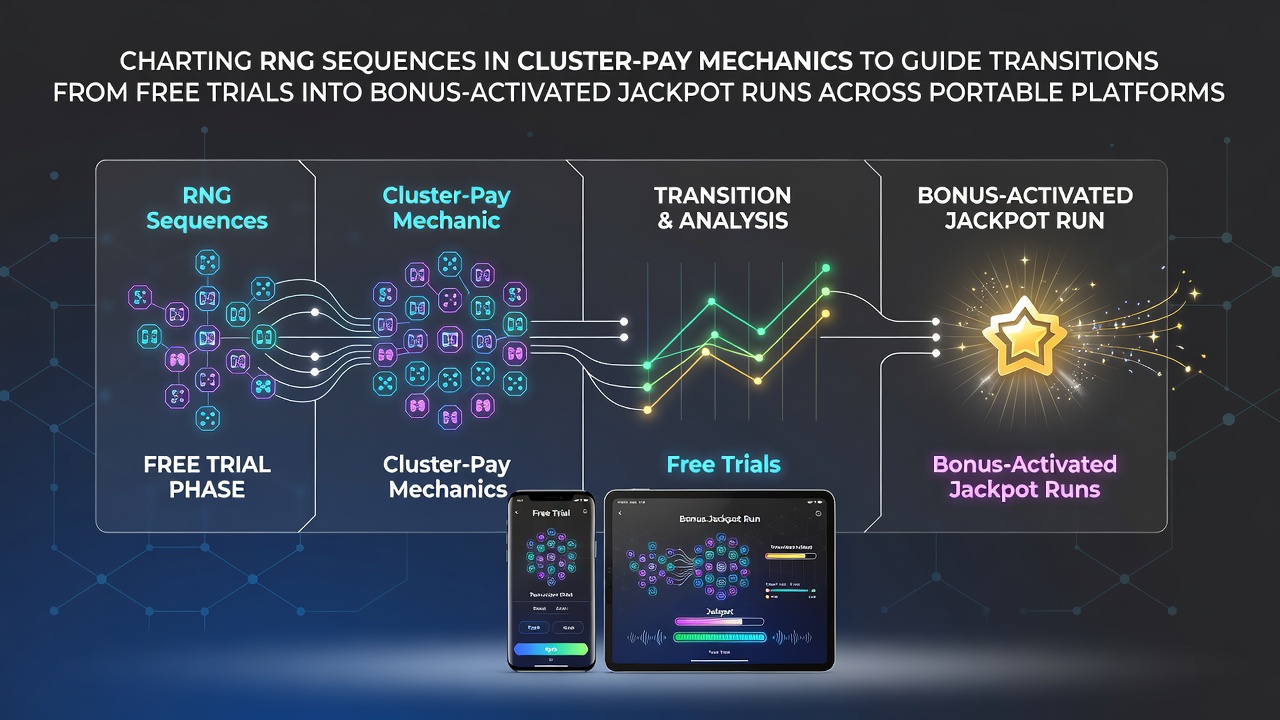
Sequence charting involves logging the pseudo-random outputs that govern symbol placement, cluster formation, and cascade continuation. Researchers at institutions including the University of Nevada, Reno have documented how cluster-pay titles generate multiple RNG calls per spin when cascades occur, with each new drop requiring fresh number generation. Players who review these patterns during free trials often identify recurring cluster densities that precede bonus triggers, although outcomes stay independent across spins.
Portable devices record these sequences through session logs that developers expose in demo dashboards, allowing users to export timestamped results for later analysis. The process does not alter probability but supplies visibility into distribution frequencies across thousands of spins.
Transition Pathways from Trial Modes to Bonus Activation
Free trial environments replicate the exact RNG engine used in paid play, which enables direct comparison of sequence behavior before and after account funding. Industry reports indicate that bonus rounds in cluster-pay titles activate when specific cluster counts or scatter alignments meet predefined thresholds, all governed by the same certified generator. Those who study demo data frequently track the interval between high-density cluster events and subsequent feature entries.
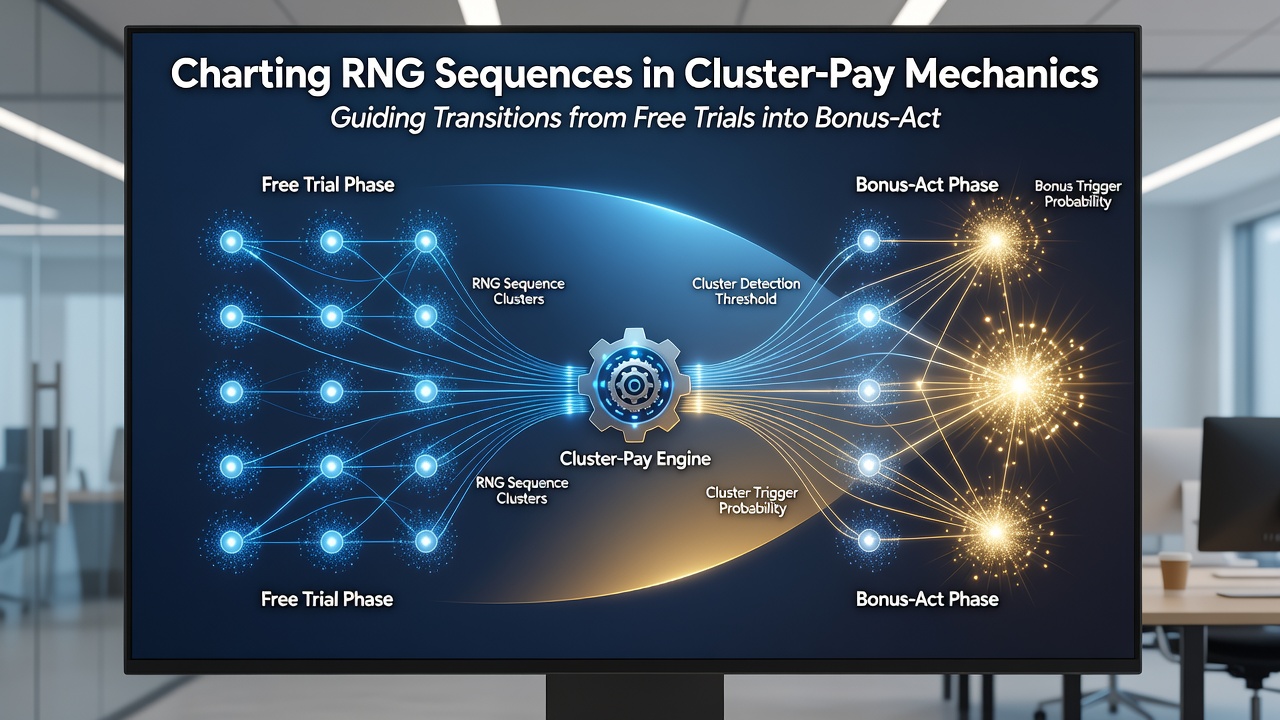
Payment integration on mobile platforms occurs through one-tap methods that preserve session continuity, moving players from trial sequences into funded play without resetting the RNG state. Figures from the Malta Gaming Authority reveal rising adoption of seamless wallet connections that support this flow, particularly in markets where operators must comply with strict technical standards for RNG continuity.
Mobile-Specific Considerations for Sequence Tracking
Handheld hardware processes RNG calculations locally or via server calls depending on the game architecture, and August 2026 updates from several platform providers introduced enhanced logging APIs that export cluster frequency data directly to player analytics tools. These tools display heat maps of symbol distributions and highlight intervals where cascades extend beyond average lengths. Observers note that battery optimization modes on certain devices can slightly affect rendering speed yet leave the underlying number generation unaffected.
Cross-device synchronization ensures that sequence records remain accessible when users switch between phones and tablets, provided the operator maintains a unified account system. This continuity supports pattern review across different screen sizes without loss of historical data.
Regulatory Context and Data Transparency
Certification bodies require operators to publish RTP ranges and RNG audit summaries, information that appears in game information screens on mobile interfaces. A New York State Gaming Commission technical standard outlines mandatory reporting intervals for RNG performance, while similar requirements exist under the Australian gambling regulation framework. These disclosures supply the baseline data that sequence charting relies upon.
Developers incorporate visual indicators within cluster-pay titles that flag when a bonus meter approaches activation thresholds, giving trial users concrete reference points without revealing future outcomes.
Conclusion
Sequence charting in cluster-pay environments connects demo observations with real-money feature entries by exposing the statistical structure of RNG outputs on portable platforms. Certified generators maintain consistent behavior across trial and funded modes, while mobile logging tools deliver accessible records for pattern review. Regulatory standards from multiple jurisdictions continue to support transparency around these mechanics, allowing users to examine distribution data that underpins both free and paid play.